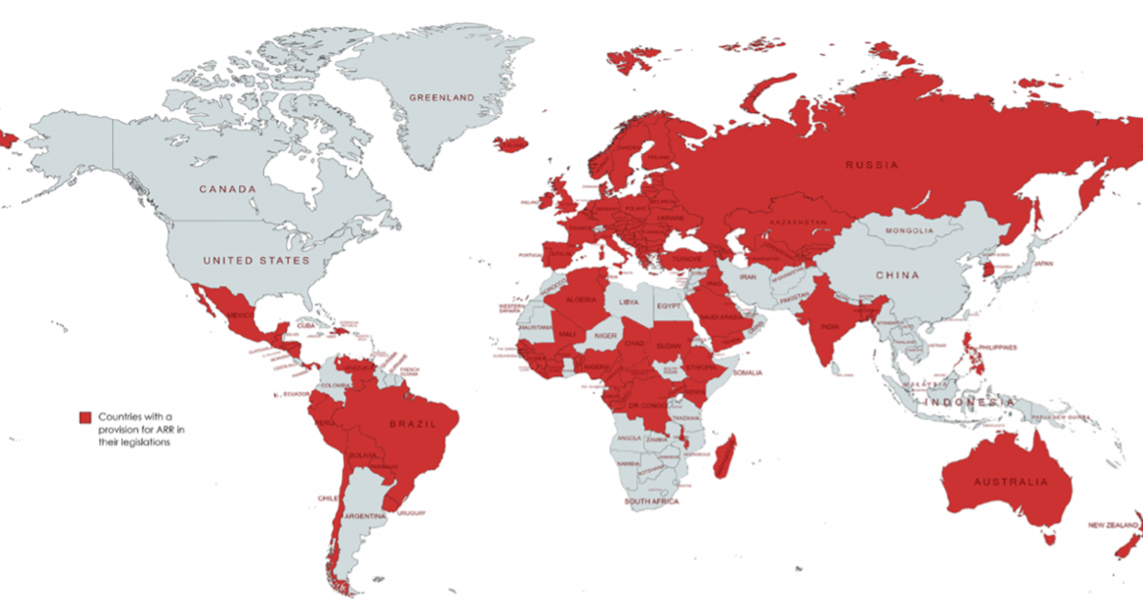
This article examines the Resale Royalty Right (RRR) as a potential mechanism for strengthening economic justice and long-term sustainability for visual artists in Malaysia. Unlike creators in music, publishing, and film who may continue to receive royalties from the subsequent use or distribution of their works, visual artists typically receive income only from the initial sale of an original artwork. When that artwork later appreciates in value and is resold on the secondary market, the artist generally receives no further economic benefit.
This article examines the Resale Royalty Right (RRR) as a potential mechanism for strengthening economic justice and long-term sustainability for visual artists in Malaysia. Unlike creators in music, publishing, and film who may continue to receive royalties from the subsequent use or distribution of their works, visual artists typically receive income only from the initial sale of an original artwork. When that artwork later appreciates in value and is resold on the secondary market, the artist generally receives no further economic benefit.
Drawing on international practices, the article explains how RRR enables artists to receive a percentage of qualifying resale transactions and positions this right as part of a broader effort to recognise the continuing contribution of artists to the cultural and economic value of their works. It also highlights Malaysia’s current legal and institutional gap, where the Copyright Act 1987 does not provide a specific statutory resale royalty right for visual artists and no dedicated mechanism currently exists to administer such royalties.
The discussion further argues that effective implementation would require more than legislative recognition alone. A sustainable RRR framework would depend on transparent governance, a dedicated Collective Management Organisation (CMO), reliable royalty collection and distribution mechanisms, digital transaction reporting, institutional collaboration, and greater awareness among artists, galleries, collectors, auction houses, and other art market stakeholders.
Overall, the article presents RRR not merely as a royalty mechanism, but as a broader question of cultural recognition, economic participation, and fairness within the creative economy. Its development in Malaysia could contribute to a more equitable, transparent, and sustainable visual arts ecosystem while ensuring that artists remain connected to the long-term value generated by the works they create.
Read original article here: https://www.artomovement.com/2026/06/your-artwork-is-resold-should-you-get.html